Experience. Intelligence. Validation. Under One Roof.
The Automotive Design & In-Cabin Content Program 2026 is part of Vehicle Tech Week North America.
Vehicle Technology Week (VTW) brings together the full lifecycle of modern vehicle development as the industry undergoes its architectural transformation toward software-defined, intelligent, and electrified platforms.
VTW unifies three strategic conference tracks – Vehicle Design & Cabin, Intelligent Vehicle and Vehicle Testing into a single, integrated content program designed for engineers, technologists, and decision-makers shaping the road to 2030.
How Vehicle Tech Week works
One event. One content program. Multiple specialist tracks.
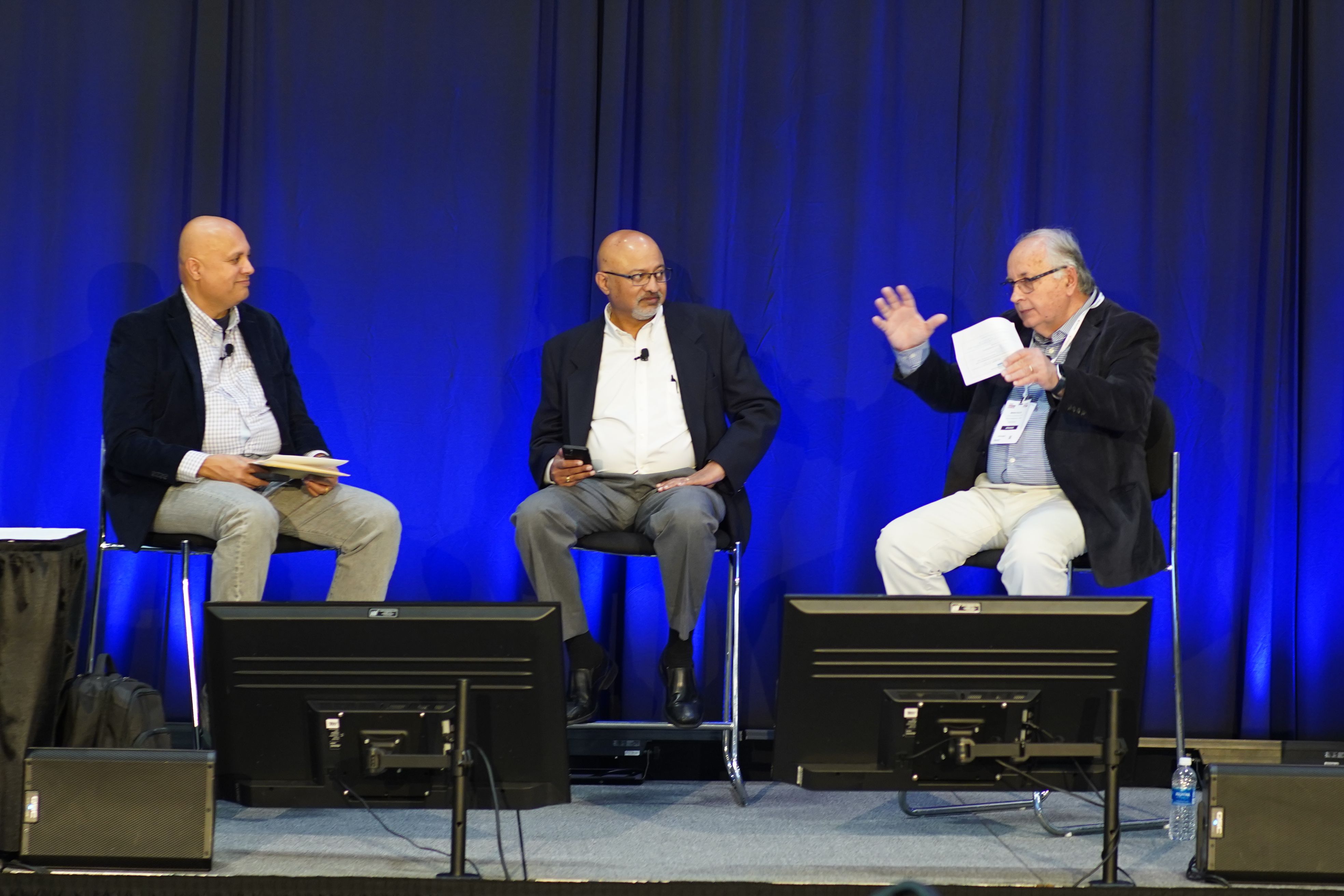
Vehicle Tech Week is structured around three deeply technical conference tracks, each offering the depth of a standalone conference, now enhanced by shared access across the entire VTW ecosystem.
- Attend sessions within your primary discipline
- Cross-pollinate ideas across adjacent domains
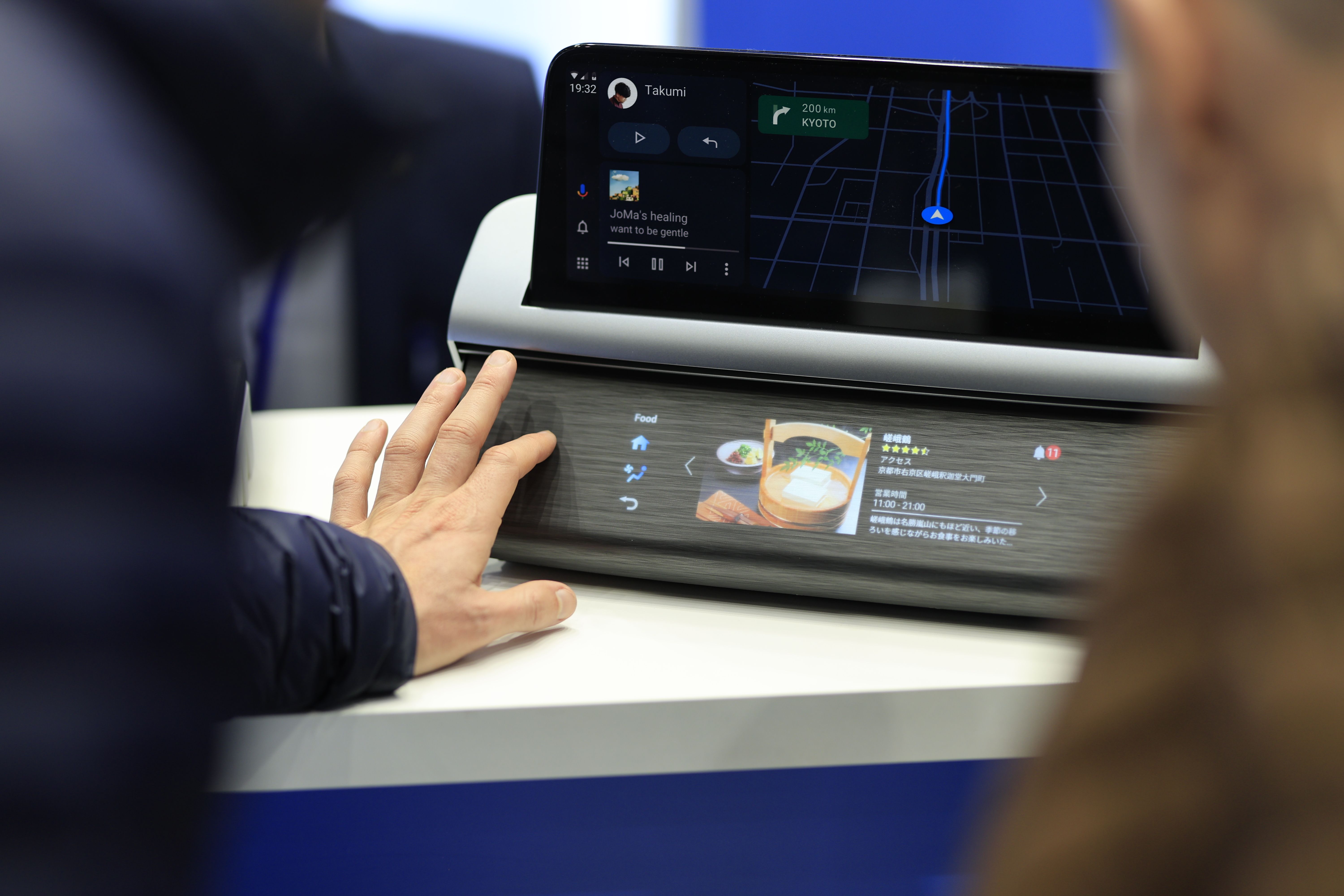
- Experience how experience, intelligence, validation, and propulsion systems connect at the vehicle-architecture level
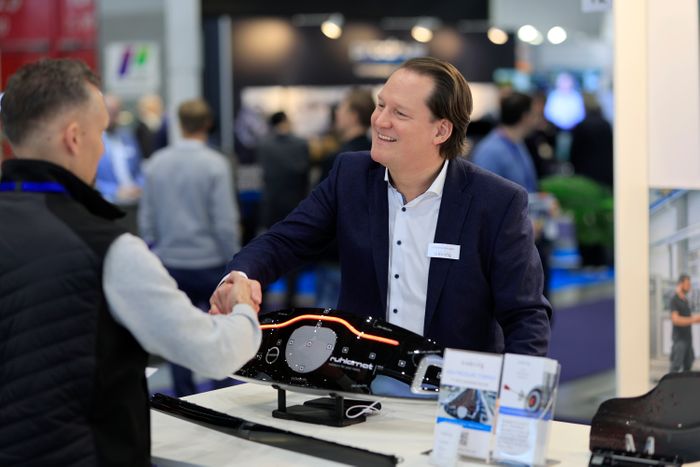
Each track shares a common expo floor, networking programme, and strategic vision, reflecting how vehicles are engineered today.
To access the conference - register for your free expo pass


)
)
)
)
)
)

)
)
)
)
)
)
)
)
)
)
)
)